
Originally Posted On: https://ikippahs.com/blogs/jewish-style/blue-cotton-kippah-vs-blue-velvet-kippah-a-comparison-for-everyday-comfort
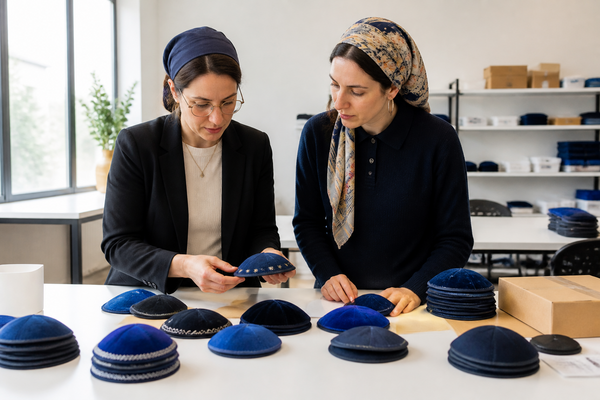
At a Glance
-
Royal Blue Cotton Kippah: lightweight, breathable, and easy to wash — best for school days, camp, and boys who move around all day.
-
Navy Velvet Kippah: richer texture and a more formal look — best for shul, bar mitzvahs, and dress-up Shabbat wear.
Overall winner: for daily comfort and durability across a busy week, the royal blue cotton kippah from iKIPPAHS.com comes out ahead — it holds up to sweat, sun, and constant clipping in a way velvet just can't match.
Every Sunday morning, some mom is standing in front of a drawer full of kippahs, trying to decide if her son needs the fancy one or the everyday one. Sound familiar? A blue kippah isn't just a blue kippah — cotton and velvet behave completely differently once a 7-year-old is running around a playground or squirming through a three-hour service.
Cotton breathes. Velvet holds its shape. One clips on and stays put through recess; the other says "we're at a bar mitzvah" the second it hits the head. Picking between a royal blue cotton kippah and a navy velvet kippah isn't about which one's "better" — it's about matching the fabric to the day ahead.
Here's an honest, side-by-side look at how these two blue kippahs stack up on comfort, style, durability, and price, so the next drawer decision takes about ten seconds instead of ten minutes.
Meet the Contenders: Royal Blue Cotton Kippah vs Navy Velvet Kippah
Picture a nine-year-old fidgeting through a three-hour Shabbat service, tugging at his head every few minutes. That's the moment a mom realizes fabric choice matters more than she thought. This Blue kippah in cotton and the navy velvet version aren't just two colors of the same thing — they're built for different jobs entirely.
What Each Style Is Made For
Cotton is breathable, machine-washable, and forgiving for kids who run around at kiddush club. Velvet reads formal, holds its shape, and looks sharp for bar mitzvahs or shul portraits. If your son wants something even lighter for summer camp, a light blue kippah in linen is worth a look too.
Who This Comparison Is For
This one's for moms juggling daily wear against dressier occasions. Whether you're stocking up for school, replacing a lost kippah before the weekend, or shopping for a wedding, knowing which fabric fits which moment saves you from buying the wrong thing twice.
Comfort and Everyday Wear: Cotton vs Velvet on Active Kids
Cotton wins the playground test, full stop. A boy running around at recess or wiggling through a shabbat morning kiddush needs something breathable, and cotton just performs better against sweat and heat than velvet ever will. The Blue Yarmulke in cotton stays light on the head — no heavy tug, no slipping when he's climbing monkey bars or running drills at practice.
Velvet, on the other hand, is built for stillness. It's gorgeous for Shabbat dinner or a bar mitzvah photo, but on an active 7-year-old? It traps heat and gets that slightly matted look after an hour of rough play (moms know this look well).
Here's the honest breakdown for daily use:
-
Cotton — breathable, washable, holds up to daily wear and tear
-
Velvet — plush, formal, best saved for synagogue and special occasions
If your son splits time between school and shul, a lighter option like the royal blue linen kippah gives a similar breathable feel with a slightly dressier texture than plain cotton.
Look and Occasion: Casual Blue vs Formal Navy
So which one actually matches the event on your calendar? A cotton blue kippah reads relaxed — bright — great for daily minyan or a park hangout. Navy velvet reads dressed-up, almost like the difference between a black kippah and a plain baseball cap.
Shabbat, Mitzvah Events, and Dress-Up Days
For Shabbat tables, mitzvah parties, and family photos, navy velvet holds shape and looks sharp next to a suit jacket or a nice dress shirt. It's the same reason so many Ashkenazi and Sephardic families keep a velvet option in the closet just for these occasions — it simply photographs better under synagogue lighting.
Everyday School and Playground Wear
Cotton wins for school mornings and recess. It breathes, it's lightweight, and moms don't stress if it gets a little dusty on the monkey bars. Want something that feels a bit more special without losing that casual comfort? A Personalized Blue kippah gives kids a design that's theirs — great for a mitzvah gift or a first day of Hebrew school moment.
Durability, Care, and How It Stays on the Head
Here's a number that surprises most moms: a well-made kippah gets handled roughly 700 times a year — on, off, stuffed in a pocket, tossed in a backpack. That's a lot of wear for a small piece of fabric, and it's why material choice matters more than color when you're thinking long-term.
Cotton holds up fine for daily grabbing and washing. Toss it in with the regular laundry, let it air dry, done. Velvet needs a gentler hand — spot clean only, and skip the dryer, or you'll flatten the nap, and it'll look tired fast.
Clips matter just as much as fabric. A slippery cotton kippah on fine, straight hair slides off by recess unless you're using a good clip or two bobby pins crossed underneath. Velvet has a little more grip on its own thanks to the weight and texture, but it still benefits from a clip for active kids.
If your son needs something that can take a beating and still look sharp for picture day, the custom Blue kippah options give you that balance — sturdy construction with a finish that doesn't fall apart after month three.
Price, Availability, and Where to Buy a Blue Kippah
Here's a myth worth busting: pricier automatically means better. That's not true when comparing cotton and velvet. Cotton runs cheaper because the fabric costs less to source and sew, not because it's lower quality. Velvet costs more due to the weight of the material and the extra labor involved in lining it properly.
Availability tells a similar story. A blue cotton kippah is easy to stock in bulk for schools, camps, and family simchas because it's lightweight and ships well in large quantities. You'll find a wide range at blue cotton kippah options, including patterns for kids and solids for shul.
Velvet, on the other hand, is often treated as the dressier pick — reserved for Shabbat, weddings, and bar mitzvahs. Stores tend to keep smaller velvet inventories since demand skews toward specific sizes and occasions.
Bottom line: buy cotton for daily wear and stock-up situations. Buy velvet when the occasion calls for a bit more polish.
Final Verdict: Which Blue Kippah Wins for Your Son
Picture Sunday morning Hebrew school pickup: your son's been running around the playground for an hour, sweat on his forehead, and that blue kippah hasn't budged. That's the cotton version doing its job. If daily wear is the goal, cotton wins — full stop.
Best for Everyday Comfort
For school, camp, and casual Shabbat dinners, the royal blue cotton kippah is the pick. It's breathable, machine-washable, and holds a clip without slipping during recess or bike rides. Boys aged 3-13 sweat more than we give them credit for, and cotton handles that without staining or losing shape.
Best for Formal Occasions
Bar mitzvahs, weddings, High Holiday services — that's where the blue velvet kippah earns its keep. The deeper texture and richer color read as dressier next to a suit or button-down, and it photographs beautifully for the album. It's not built for gym class, but it's exactly right for standing at the bimah.
Bottom line: keep cotton in the everyday rotation and save velvet for the occasions that call for a little extra polish.
Which Should You Choose?
Both are good. But they're not built for the same job. Here's how I'd break it down for real families, not showroom shoppers.
-
Best for everyday comfort: the royal blue cotton kippah. It breathes, it survives recess, and it clips on without fuss for boys aged 3-13 who move fast.
-
Best for formal occasions: the navy velvet kippah. Shabbat table, a mitzvah party, family photos — velvet just looks dressier and holds its shape.
-
Best for hot weather or gym days: cotton, hands down. Velvet traps heat and gets sweaty fast on an active kid.
-
Best for a first "grown-up looking" kippah: navy velvet — it reads more mature than the bright cotton option, which some tweens appreciate.
-
Best if you only want one kippah: go cotton. It's the more versatile pick for daily wear and still looks neat enough for shul.
-
Best value for a growing wardrobe: buy both from iKIPPAHS.com — rotate the cotton for school and the velvet for Shabbat and simchas.
Realistically, most moms end up owning one of each anyway. Start with the cotton for daily comfort, then add the velvet once you know he's ready to sit still in it.
So which blue kippah actually earns a spot in the drawer? Both. The royal blue cotton style is the one that survives recess, gets tossed in the wash, and still looks sharp by Thursday — it's built for a kid who doesn't sit still. The navy velvet piece is a different animal entirely, holding its shape for Shabbat table photos and simchas where a little polish matters. Neither one is a compromise pick; they're just doing different jobs.
Here's the honest takeaway: a family raising an active son usually needs at least one of each. Cotton for Tuesday, velvet for the kiddush after services. Skipping one means either overdressing at school or underdressing at a bar mitzvah — and no mom wants that call from the rabbi's office.
The smartest move is to stop treating this as an either-or decision. Grab the royal blue cotton kippah for daily wear, keep a navy velvet one pressed and ready for dress-up days, and let your son actually have options that match his week — not just his closet.


