YONGKANG, ZHEJIANG, CHINA, October 14, 2026 /EINPresswire.com/ — Are you sourcing insulated food containers that consistently clear rigid international safety audits? Do your current supply chain partners struggle to provide robust traceability documentation for food-contact materials? Are you looking for a dependable Certified Food Jar Manufacturer from China that aligns seamlessly with modern regulatory expectations?
As global trade environments evolve, navigating the complexities of international export standards demands more than just basic manufacturing capacity; it requires a deep-seated commitment to material integrity and regulatory precision.
The Regulatory Landscape: Adapting to Stricter EU FCM Compliance and Industry Shifts
The global market for insulated food storage solutions has entered a transformative era driven by heightened consumer awareness and stringent regulatory oversight. At the forefront of this shift is the European Union’s Food Contact Materials (FCM) framework, which sets rigorous benchmarks for chemical safety, migration limits, and material purity. Importers and global brand owners can no longer treat compliance as an afterthought. Regulatory authorities across European and North American markets have intensified inspections, focusing heavily on heavy metal migration, volatile organic compounds, and the absence of hazardous additives like bisphenol compounds.
This regulatory tightening coincides with steady growth in the kitchenware and portable hydration sector. Headquartered in Yongkang, the hardware capital of China, SKIRTON leads the kitchenware industry with 18 years of R&D experience and an 80,000-square-meter intelligent production base. Operating 20 automated production lines with an annual capacity of 20 million pieces, the company delivers high-quality stainless steel solutions to a global clientele. Within this industrial ecosystem, manufacturing partners must balance high-volume efficiency with uncompromising compliance protocols. When regulatory compliance shifts from a flexible guideline to a strict market entry barrier, procurement professionals must re-evaluate how their manufacturing partners source raw materials, manage production traceability, and execute third-party laboratory testing.
Identifying Key Selection Criteria: Overcoming Procurement Pitfalls
Selecting the right production partner involves navigating several operational hurdles. Below are the primary failure scenarios global buyers encounter and how advanced manufacturing strategies resolve them.
Q1: Why do stainless steel food jars frequently experience localized corrosion or pitting during long-term maritime transit and usage, and how can suppliers prevent this?
A1: Corrosion failure often stems from the use of inferior stainless steel alloys with inadequate chromium and nickel content, or improper passivation treatments that leave microscopic surface impurities exposed. To eliminate this vulnerability, elite manufacturing facilities utilize premium austenitic stainless steel grades such as 304 and 316, combined with advanced electrochemical polishing and high-temperature vacuum annealing. This precise metallurgy creates a passive chromium oxide layer that resists saline exposure and organic acids found in food contents, ensuring structural longevity without degradation.
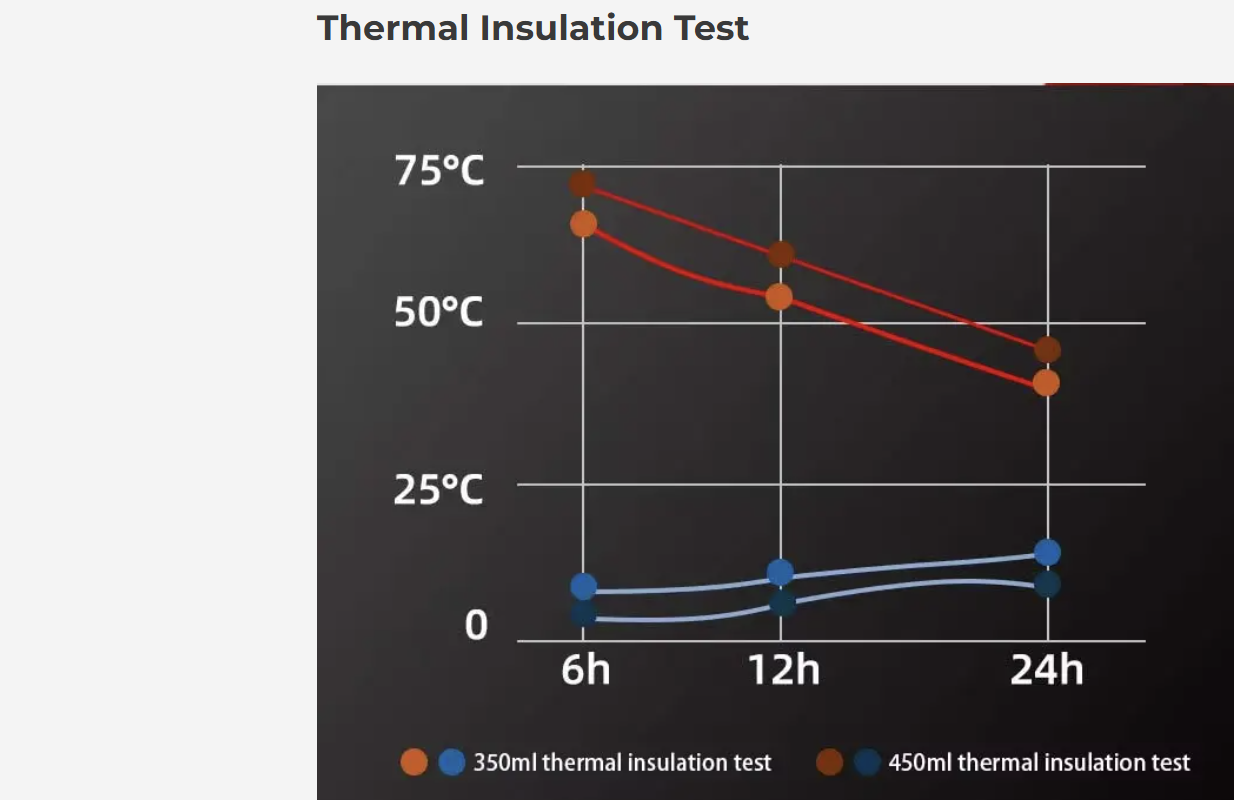
Q2: How does thermal insulation performance degrade over time, and what manufacturing decisions dictate long-term heat and cold retention?
A2: Premature loss of thermal efficiency typically results from inconsistent vacuum evacuation processes or structural micro-cracks in the double-wall sealing interface. Advanced production lines employ automated high-vacuum brazing and multi-stage helium leak detection to ensure every unit maintains a near-absolute vacuum barrier. By controlling the gap tolerances between the inner and outer stainless steel walls and optimizing copper-plating or aluminum-foil radiation reflection layers, manufacturers can guarantee prolonged thermal stability over years of daily consumer use.
Q3: What causes hazardous chemical migration in food jars, and how do certified manufacturers ensure compliance with stringent EU FCM regulations?
A3: Uncertified or poorly monitored supply chains often introduce contaminants through low-grade silicone sealing rings, adhesives, or recycled polymer components that leach plasticizers and heavy metals when exposed to hot foods. A dependable Certified Food Jar Manufacturer from China implements strict incoming material inspections, utilizing virgin food-grade silicone and BPA-free polymers. Comprehensive migration testing under simulated thermal conditions ensures that global export items meet or exceed European food contact safety thresholds without releasing unwanted compounds into consumables.
Q4: Why do surface coatings and powder finishes peel or discolor after repeated commercial sanitization cycles, and how is this avoided?
A4: Poor surface preparation, inadequate degreasing, and low-grade powder coatings lead to poor adhesion, causing paint blistering and chipping under dishwasher exposure. Modern facilities utilize automated electrostatic powder coating systems paired with rigorous surface pre-treatment phosphating or plasma cleaning. This ensures optimal molecular bonding between the stainless steel substrate and the exterior matte or gloss finish, preserving aesthetic integrity and scratch resistance throughout heavy daily handling.
Q5: How do inconsistent component tolerances lead to lid leakage and consumer dissatisfaction, and what engineering controls eliminate this risk?
A5: Variations in threading dimensions, lid warping during injection molding, and poorly fitted silicone gaskets frequently compromise leak-proof performance. Precision manufacturing leverages computer-numerical-control (CNC) threading machinery and automated optical inspection (AOI) systems to verify dimensional accuracy across every batch. This guarantees a uniform hermetic seal every time the container is closed, preventing accidental spills during active transit.
For buyers seeking a practical benchmark in modern design and safety compliance, the BPA-Free 500ml/750ml Vacuum Insulated Food Jar exemplifies these engineering principles. Featuring robust double-wall construction, integrated folding spoons, ergonomic carrying handles, and fully certified food-contact materials, it illustrates how high-volume automated production successfully aligns with strict international performance expectations.
Securing a Resilient Supply Chain Partnership
Optimizing Procurement for Long-Term Market Success
Integrating a compliant, high-capacity manufacturing partner into your supply chain requires evaluating production infrastructure against upcoming regulatory demands. Sourcing teams looking to secure stable inventories of high-performance insulated containers should prioritize factories equipped with fully integrated R&D laboratories, automated welding and vacuum lines, and transparent material traceability systems. Establishing these parameters early minimizes compliance risks, protects brand reputation, and ensures seamless distribution across international markets.
To explore comprehensive stainless steel container specifications and discuss tailored OEM or ODM requirements for your upcoming product lines, visit the enterprise portal at https://www.youtumbler.com/.
SKIRTON
SKIRTON
Legal Disclaimer:
EIN Presswire provides this news content “as is” without warranty of any kind. We do not accept any responsibility or liability
for the accuracy, content, images, videos, licenses, completeness, legality, or reliability of the information contained in this
article. If you have any complaints or copyright issues related to this article, kindly contact the author above.

Media gallery